

Best Natural Skincare Brands for 2026: What Actually Works?
Last Updated: October 24, 2026
Quick Summary
The best natural skincare brands for 2026 are judged on ingredient transparency, named botanical sourcing and sensible formulation rather than vague clean claims. Our picks include Certified Organic Rosehip Oil at $42.00, the $16.00 Signature cleanser and moisturiser, and The Ordinary's plant-derived squalane at $17.30. Always patch test, since essential oils in natural formulas are common irritants.
- We exclude brands making chemical-free claims or naming no organic certifier.
- Natural has no fixed legal definition in Australia, so the label alone proves nothing.
- The Blemish Control Kit costs $30.00 and covers four routine steps.
- Patch test on the inner forearm for three to five days, not the back of the hand.
- Purely Ageless cites up to 78% visible wrinkle reduction after 14 days.
Table of Contents
- Why Natural Skincare Brands Are Worth a Second Look in 2026
- How We Chose the Best Natural Skincare Brands
- What Natural, Organic and Clean Beauty Actually Mean
- 1. Certified Organic Rosehip Oil: The Multi-Use Hero
- 3. Purely Ageless Range: Targeted Anti-Ageing Without the Hype
- 4. Blemish Control Kit: A Four-Step Routine for Breakout-Prone Skin
- 5. The Ordinary Squalane and Barrier Support Serum: Simple, Proven Formulas
- Natural Skincare Ingredients Worth Knowing
- Natural Skincare for Sensitive Skin: What to Look For
- Frequently Asked Questions
Why Natural Skincare Brands Are Worth a Second Look in 2026
The best natural skincare brands for in 2026 are no longer the earnest, earthy labels of a decade ago. Plant-based formulas now sit alongside clinical actives, and shoppers expect both provenance and proof.
The shift is real. Many formulators now publish full ingredient lists and sourcing notes, and buyers are asking sharper questions about what "natural" actually promises. Below, we break down the brands worth your shelf space, the ingredients that earn their place, and the traps to avoid.
How We Chose the Best Natural Skincare Brands
We judge natural skincare brands on disclosure first, then formulation, then value. A brand that hides its ingredient percentages or leans on vague "clean" claims does not make our list, however pretty the packaging.
Our Selection Criteria
- Ingredient transparency: full INCI lists published, not just hero ingredients
- Botanical sourcing: named plant oils and extracts, not anonymous "botanical blend"
- Formulation logic: actives at sensible levels, no filler-heavy formulas
What We Left Out
Brands that market "chemical-free" skincare (everything is a chemical) or claim organic certification without naming the certifier were excluded. So were formulas that bury fragrance allergens at the end of the list without flagging them. Australian Competition and Consumer Commission guidance on green claims is clear that environmental and natural claims must be truthful and substantiated, and we apply the same test.
What Natural, Organic and Clean Beauty Actually Mean
Natural skincare means ingredients derived from plants, minerals or other natural sources, but the term has no fixed legal definition in Australia. Organic means produced under a certified farming standard, and only means something when a certifier is named.
That distinction matters. A product can be "natural" and still irritate sensitive skin, because essential oils and botanical extracts are common triggers. It can also be "clean" while containing synthetic preservatives that keep it safe.
1. Certified Organic Rosehip Oil: The Multi-Use Hero
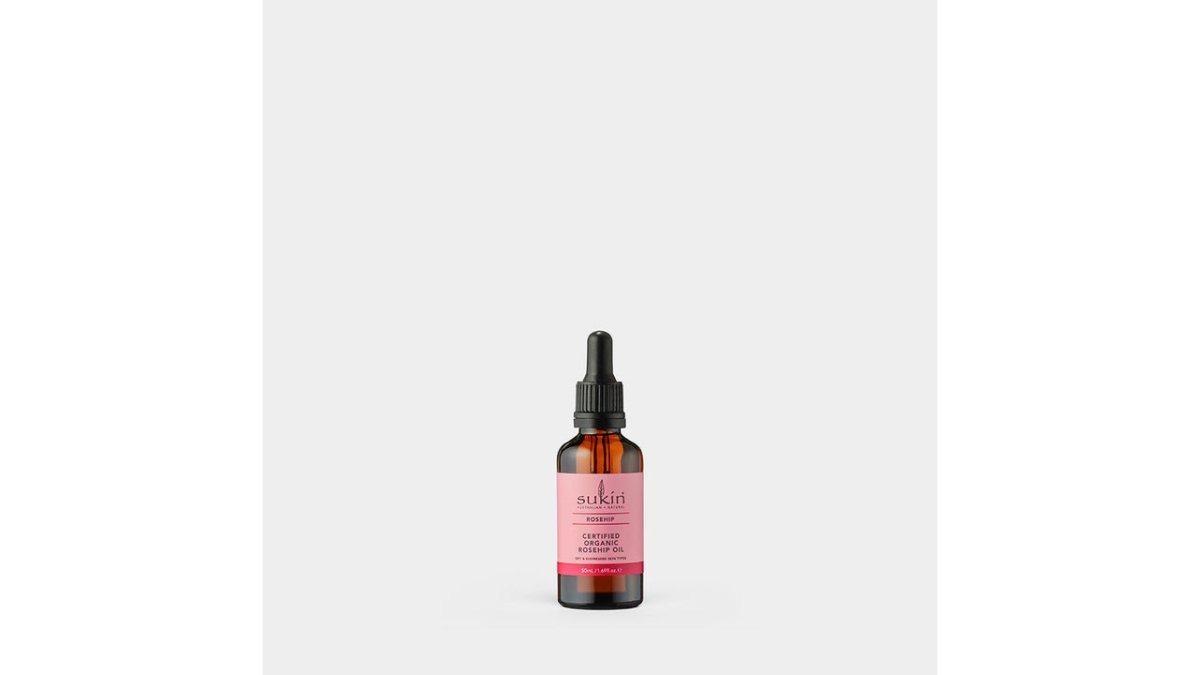
Our pick for the most versatile single product is the Certified Organic Rosehip Oil 50 ml, $42.00.

3. Purely Ageless Range: Targeted Anti-Ageing Without the Hype
Anti-ageing is where natural skincare brands most often overpromise. The Purely Ageless range is built around one named active, pure ribose, a sugar obtained from corn seed, and the brand states it visibly reduces the appearance of wrinkles by up to 78% after 14 days.
The Intensive Firming Serum 30 ml at $32.00 is the entry point, a light gel-cream with ribose, acacia gum and rosehip oil.

4. Blemish Control Kit: A Four-Step Routine for Breakout-Prone Skin
Breakout-prone skin responds to consistency, not to a drawer full of half-used bottles. The Blemish Control Kit at $30.00 packages a complete four-step routine: a Clearing Facial Wash with quince and pomegranate, a Pore Perfecting Toner with eucalyptus and tea tree, a Spot Banishing Gel with willowherb, salicylic acid and eucalyptus, and an Oil Free Moisturiser.

The logic is sound. Patch test first if your skin reacts easily. ASCIA information on skin sensitivity and patch testing is a useful primer on identifying triggers.
5. The Ordinary Squalane and Barrier Support Serum: Simple, Proven Formulas
Sometimes the most natural choice is the least complicated one. The Ordinary's plant-derived squalane and barrier support serum are stripped-back formulas with short ingredient lists, and both earn a place for sensitive skin.
The 100% Plant-Derived Squalane 30 ml at $17.30 is a lightweight, non-comedogenic oil that hydrates without a greasy finish and suits all skin types. The Soothing & Barrier Support Serum 30 ml at $29.10 targets a stressed skin barrier, calming redness and irritation, and is free from alcohol, sulfates and parabens.
Certified Organic Rosehip Oil | 50 Ml →
| Product | Price | Best For | Key Ingredients |
|---|---|---|---|
| Certified Organic Rosehip Oil 50 ml | $42.00 | Dehydrated, mature, scarring | Rosehip oil |
| Signature Foaming Cleanser 125 ml | $16.00 | Normal to oily skin | Chamomile, aloe, green tea |
| Signature Facial Moisturiser 125 ml | $16.00 | Everyday hydration | Rosehip, avocado, jojoba |
| Blemish Control Kit | $30.00 | Breakout-prone skin | Salicylic acid, tea tree |
| Intensive Firming Serum 30 ml | $32.00 | Fine lines, firmness | Pure ribose, acacia gum |
| The Ordinary Squalane 30 ml | $17.30 | All skin types | Plant-derived squalane |
| The Ordinary Barrier Support Serum 30 ml | $29.10 | Sensitive, stressed skin | Barrier-support actives |
Natural Skincare Ingredients Worth Knowing
Most roundups list hero botanicals and stop there. The useful question is not whether an ingredient is natural but what it does, at what level it does it, and what it costs you in trade-offs. Here is how the ingredients in this guide actually earn their place, and where the evidence is thinner than the marketing suggests.
Barrier and hydration ingredients
- Rosehip oil. Rich in linoleic and linolenic acids (the essential fatty acids behind the 70% claim on the Certified Organic Rosehip Oil), plus small amounts of vitamin A precursors. Linoleic acid is the same fatty acid that tends to be lower in the sebum of acne-prone skin, which is the plausible mechanism behind its popularity for scarring and dryness. It is an emollient, not an exfoliant, it softens and supports the barrier rather than resurfacing skin.
- Squalane. A saturated oil that mimics a lipid the skin already produces. Because it is saturated it resists oxidation, which is why it has a long shelf life and a low irritation profile compared with polyunsaturated plant oils. The Ordinary's plant-derived version is the stripped-back benchmark: one ingredient, no fragrance, suitable for most skin types including reactive skin.
- Jojoba, avocado and sesame oils. Jojoba is technically a wax ester and sits close to the skin's own sebum, so it spreads well without a heavy film. Avocado is richer and better suited to dry or mature skin; sesame is lighter but is a known contact allergen in some people, so it is worth flagging if you react to seed oils.
Antioxidant and soothing support
- Green tea and vitamin E. Green tea brings polyphenols that help defend against oxidative stress; vitamin E (tocopherol) is a fat-soluble antioxidant that also helps protect the oils in a formula from going rancid. Neither is a substitute for sunscreen, antioxidant support and UV protection are different jobs.
- Witch hazel. An astringent that temporarily tightens the look of pores. It can feel clarifying on oily skin but is drying with repeated use, especially in alcohol-based distillates, so it suits normal-to-oily skin better than dry or reactive skin.
Actives with real evidence behind them
- Salicylic acid. A beta hydroxy acid that is oil-soluble, so it penetrates congested pores and helps loosen the keratin plugs behind blackheads and breakouts. It is the workhorse in the Blemish Control Kit's Spot Banishing Gel. The trade-off: it can sting on broken skin and is drying if overused, which is why spot treatment beats all-over application.
- Pure ribose. The active named in the Purely Ageless range. Ribose is a sugar involved in cellular energy metabolism, and the brand's claim of visibly reduced wrinkle appearance after 14 days is specific enough to be checkable, treat it as a manufacturer claim and look for the study detail rather than accepting the percentage at face value.
The irritants hiding in "natural" formulas
Essential oils are the most common trap. Lavender, tangerine, eucalyptus and tea tree smell pleasant and appear throughout natural ranges, but their fragrance components, limonene, linalool, citronellol, are among the most frequently reported contact allergens in cosmetics. ASCIA guidance on cosmetic allergens and patch testing explains why these components must be declared on labels. "Natural fragrance" is still fragrance, and a botanical extract can be just as sensitising as a synthetic one.
How to read an INCI list like an editor
Ingredients are listed in descending order of concentration until the 1% mark, after which order is at the manufacturer's discretion. That single rule tells you more than any "clean" badge: if the named active sits near the bottom and fragrance components sit above it, the formula is mostly base and scent. Look for full INCI lists, named plant oils rather than anonymous "botanical blends", and a certifier named in full when organic status is claimed.
Natural Skincare for Sensitive Skin: What to Look For
"Sensitive skin" is used loosely, and that looseness is why so many people cycle through products that sting. The practical approach is to separate three things that get conflated: a reactive skin barrier, a genuine allergy, and a diagnosable condition such as rosacea, eczema or perioral dermatitis. Natural skincare can help the first, may trigger the second, and should not be relied on to treat the third.
Build a shortlist by skin type and concern
Use this as a starting filter before you buy anything:
- Reactive or easily flushed skin: prioritise short INCI lists, no added fragrance, no essential oils, and a single-ingredient oil such as plant-derived squalane. The Ordinary's Soothing & Barrier Support Serum is the type of formula to look for, alcohol-free, sulfate-free, paraben-free, and built around barrier support rather than scent.
- Dry or mature skin: emollient oils and barrier lipids do the work. Rosehip oil and a jojoba- or avocado-based moisturiser suit this group; the Signature Facial Moisturiser combines several of these oils with aloe and vitamin E.
- Oily or acne-prone skin: oil-free moisturisers and a single leave-on active beat a multi-step routine. Salicylic acid in a spot gel is more tolerable than an all-over acid toner, and witch hazel toners should be used sparingly because of their drying effect.
- Combination skin: treat zones differently rather than buying two full routines, a lighter moisturiser on the T-zone and a richer one on cheeks is usually enough.
A patch-test method that actually tells you something
Most people patch test on the back of the hand, which is the wrong site, hand skin is thicker and less reactive than facial skin. A more useful protocol:
- Apply a small amount to the inner forearm or behind the ear, twice daily, for three to five days.
- Leave it uncovered and note any itching, redness, stinging or swelling, not just whether it looks fine after an hour.
- If clear, introduce it to one small area of the face before using it broadly.
- Add one new product at a time and allow about a fortnight before judging it, so you can attribute a reaction to the right product.
Red flags in a sensitive-skin formula
- Essential oils high in the INCI list. Tea tree, eucalyptus, lavender and citrus oils are common triggers; the Blemish Control Kit's spot gel is a targeted product for this reason, not an all-over treatment.
- "Natural fragrance" or "parfum" without a breakdown. Fragrance mixes can contain dozens of components, and the label does not have to name them all.
- Alcohol-based toners and astringents. They can feel refreshing and then leave the barrier drier than before.
- Multi-active layering. Several exfoliating acids plus retinol plus vitamin C in one routine is a common route to irritation; introduce one active at a time.
When to stop self-treating
If you have persistent redness, scaling, stinging that does not settle, or a rash that spreads, that is a signal to see a health professional rather than to buy another "gentle" product. ASCIA information on skin sensitivity and patch testing is a useful primer on identifying triggers, and a pharmacist or dermatologist can help distinguish a barrier problem from an allergy or a condition that needs treatment.
The takeaway for 2026: the best natural skincare for sensitive skin is not the longest ingredient list of soothing botanicals. It is the shortest list you can tolerate, introduced slowly, with the fragrance and essential-oil load kept low.
Frequently Asked Questions
Which natural skincare brands are best for sensitive skin?
Look for short ingredient lists, fragrance-free or low-fragrance formulas, and products that support the skin barrier. The Ordinary Soothing & Barrier Support Serum ($29.10) is formulated for sensitive skin and free from alcohol, sulfates and parabens. A plain plant oil like The Ordinary 100% Plant-Derived Squalane ($17.30) is also a low-risk starting point. Patch test any new product on your inner arm for 24 hours before applying it to your face, and introduce one product at a time so you can tell what suits your skin.
How can you tell whether a natural skincare brand is genuinely natural?
Read the full ingredient list, not the front label. A genuinely transparent brand lists every ingredient by its botanical or chemical name and does not hide behind vague terms like 'fragrance' or 'botanical extract blend'. Check whether claims are specific and measurable, such as 'certified organic rosehip oil' rather than 'contains rosehip'. Certifications and award listings help, but the ingredient panel is the clearest signal. If a brand will not show you what is in the bottle, treat the natural claim with caution.
Can natural skincare products cause irritation?
Yes. Botanical ingredients such as essential oils, citrus peel oils and plant extracts can trigger reactions in some people, and natural does not automatically mean gentle. Many formulas list limonene and linalool, which are natural components of essential oils and common allergens. If your skin is reactive, choose products with fewer essential oils, patch test first, and stop using anything that stings or turns red. A barrier-supporting serum and a plain moisturiser are safer starting points than a multi-step routine full of active botanicals.
How do you build a simple natural skincare routine?
Start with three steps: cleanse, treat and moisturise. A gentle foaming cleanser removes makeup and excess oil without stripping the skin, a serum or facial oil targets your main concern, and a moisturiser seals in hydration. The FUCHIA Signature Foaming Facial Cleanser ($16.00) and Facial Moisturiser ($16.00) cover the basics, and a few drops of Certified Organic Rosehip Oil ($42.00) can be added to the moisturiser at night. Add one new product at a time and give it two to four weeks before judging results.
Are natural skincare products better for your skin?
Not automatically. What matters is whether a formula suits your skin type and whether the ingredients are backed by evidence and listed transparently. Some natural ingredients, such as rosehip oil with its essential fatty acids and vitamin E, have well-documented moisturising and soothing properties. Others, like essential oils, can irritate sensitive skin. Judge each product on its ingredient list, its formulation and how your skin responds, rather than assuming the natural label makes it superior.
Choosing natural skincare in 2026 comes down to reading labels rather than trusting them. If you want a curated starting point, FUCHIA brings trusted skincare, wardrobe staples and wellness essentials together in one place, so you can build a routine without the decision fatigue. Browse our curated skincare selection and find the pieces that fit your everyday rituals. Get started with FUCHIA and simplify your routine today.
